

As tensions surrounding Iran escalate, new analysis suggests the conflict may be testing the limits of U.S. military capacity and long-term strategic positioning.
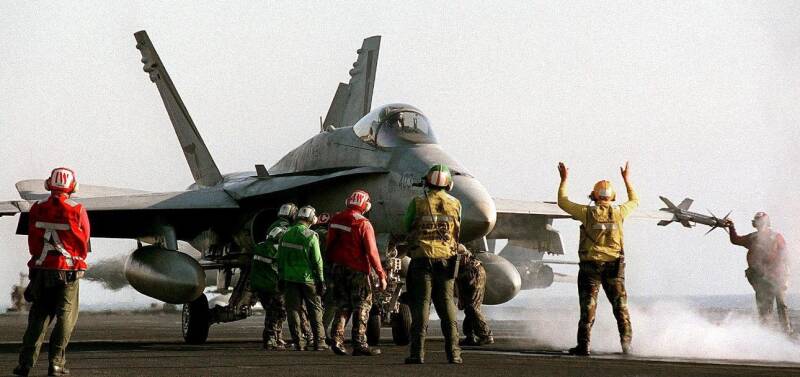
U.S. Navy fighter jet operations on an aircraft carrier amid rising tensions in the Middle East.

As tensions between the United States, Israel, and Iran continue to escalate, attention is increasingly shifting beyond the battlefield to broader strategic implications. While military operations remain active, analysts are beginning to question how sustainable these efforts may be for Washington in the long term.
According to analysis published by The National Interest, the current conflict is not only about immediate military outcomes but also about long-term readiness and global positioning. The report suggests that prolonged engagement in the Middle East could place additional strain on U.S. resources, logistics, and operational capacity.
One of the key concerns highlighted is the rising cost of military operations. Ongoing deployments, air missions, and logistical support efforts are contributing to growing expenditures, raising questions about how long such a pace can be maintained.
Beyond the regional dimension, the conflict may also carry wider geopolitical consequences. Analysts warn that a sustained focus on Iran could affect the United States’ ability to respond effectively to other global challenges, particularly in relation to major powers such as Russia and China.
Recent military activity in the region, including increased deployments and visible operational intensity, demonstrates the scale of U.S. engagement. However, experts note that visible military strength does not always translate into long-term strategic advantage.
Ultimately, the situation reflects a broader debate within policy and security circles: whether current military commitments are reinforcing U.S. global influence — or stretching its capabilities too thin.
Add comment
Comments